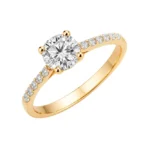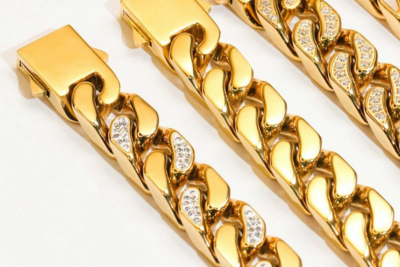





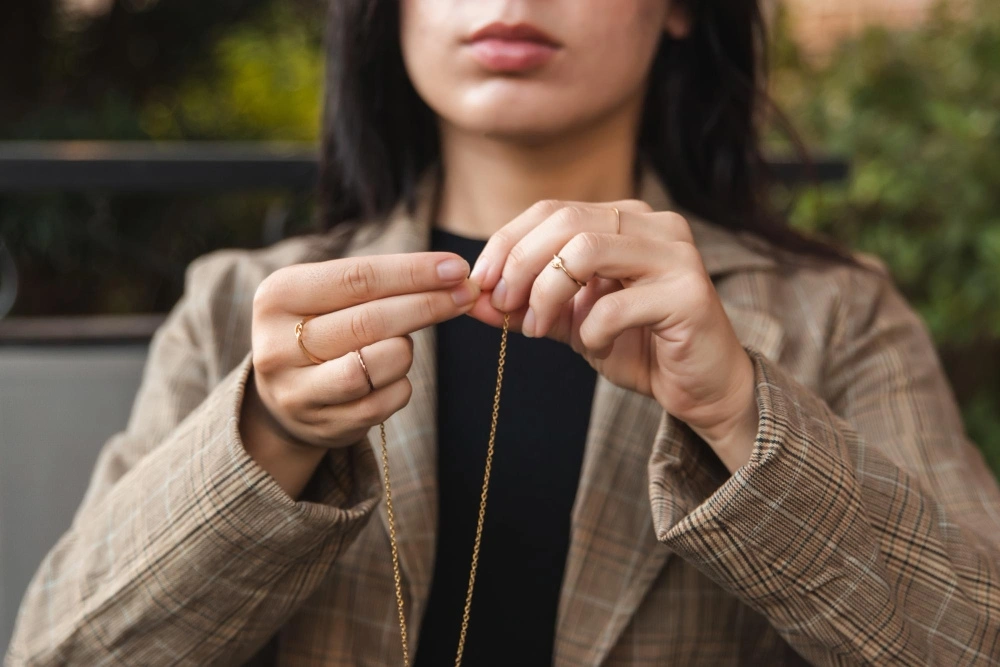
Gold chains look great, but they need simple care to stay bright. Before you clean a chain, know its gold type and link style. Each chain wears in its own way. Keep it safe by avoiding strong products, wiping it after use, and taking it off before you swim. These small steps help your chain keep its shine.
To clean a gold chain, use warm soapy water and a soft brush. This is safe and works well. Store your chains on their own in a soft pouch so they do not rub or twist. If your chain looks very dirty or if a link feels weak, a jeweller can fix it and clean it for you.
We will guide you through each step so your gold chains stay bright for years.
What Should You Understand About Your Gold Chain Before Cleaning It?
Before cleaning your gold chain, you need clear details about its purity level, construction, link style, and any added stones or materials. This knowledge sets the limits for safe cleaning and prevents loss of shine or structural damage. Every chain reacts differently to moisture, heat, and cleaning agents due to its alloy mix and design features. A quick inspection gives you the right method and protects the chain during the entire cleaning process.
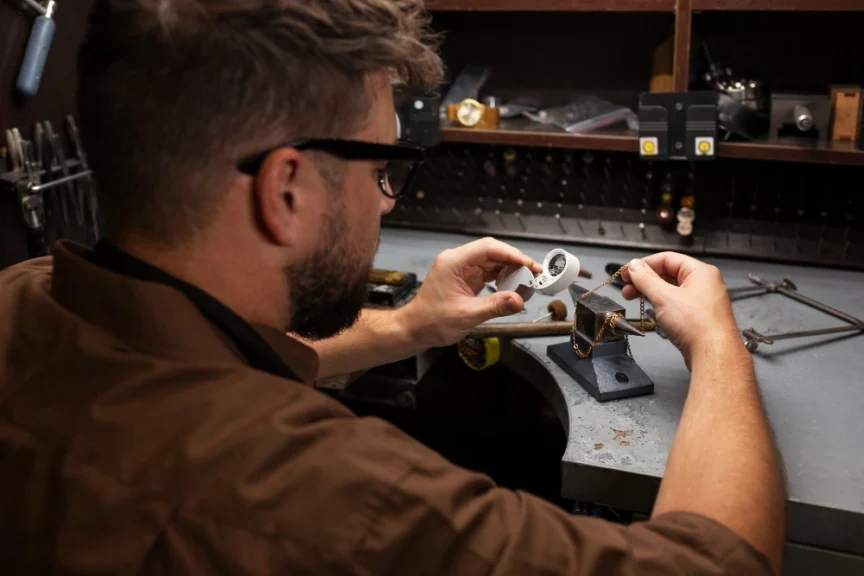
Check for Hallmarks/Stamps
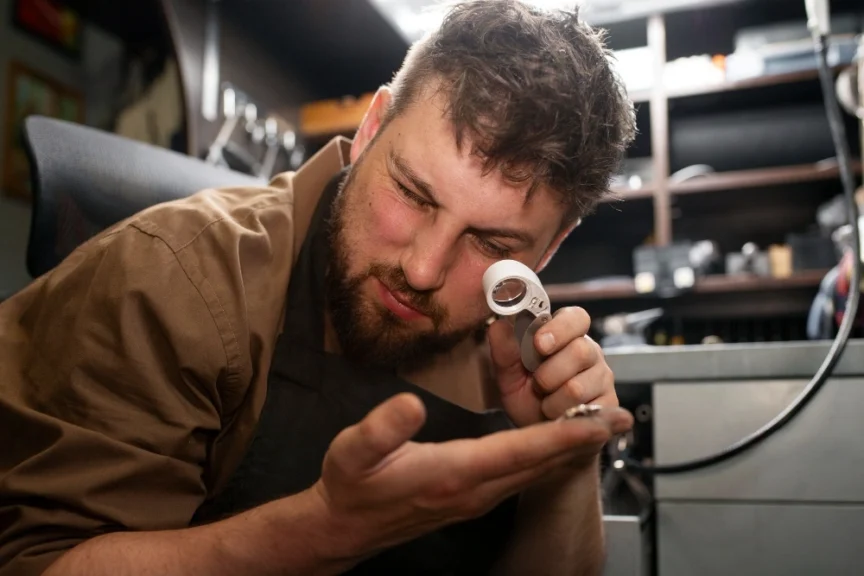
Hallmarks or stamps confirm the purity and construction of the chain. A magnifying glass or jeweller’s loupe reveals these marks near the clasp or jump ring. These stamps provide direct details about composition, which guides safe cleaning.
Purity Marks
Purity marks identify the percentage of gold used in the alloy and confirm whether the chain matches expected standards. Solid gold displays karat values or millesimal fineness numbers stamped into the metal.
- 24K or 999 = 99.9% pure gold
- 22K = 91.6% pure gold
- 18K or 750 = 75% pure gold
- 14K or 585 = 58.5% pure gold
- 10K or 417 = 41.7% pure gold
- 9K or 375 = 37.5% pure gold
Plating Marks
Markings after the karat number show whether the item uses a plated layer instead of solid gold. These marks signal the need for gentle cleaning that avoids stripping the surface.
- GP (Gold Plated)
- GF (Gold Filled)
- HGE or GEP (Heavy Gold Electroplate)
- RGP (Rolled Gold Plate)
Chain’s Link Style
Link construction affects strength, flexibility, and how the chain reacts to movement or pressure during cleaning. Each link style needs careful handling to avoid bending or stretching.
- Cable chain: Interlocking oval or round links with uniform shape that form a strong and simple design.
- Cuban/Curb chain: Flattened interlocking links that sit flush against the skin and offer high strength.
- Box/Venetian chain: Square links that lock into a compact shape, giving a smooth finish suited to pendants.
- Rope chain: Twisted strands shaped in a spiral pattern for a textured and durable appearance.
- Bead/Ball chain: Small spheres linked by thin metal for a minimal and uniform design.
- Snake chain: Curved plates set tightly together to form a smooth and flexible tube-like surface.
Presence of Stones or Other Materials
Chains with stones or mixed materials need cleaning steps that protect the most fragile part of the piece.
- Diamonds: Strong stones that handle gentle cleaning without risk of damage.
- Soft/Porous Gemstones (Pearls, Opals, Turquoise, Emeralds): Sensitive stones that react to heat, chemicals, and long contact with water. A light wipe with a damp cloth offers the safest approach and keeps surfaces intact.
- Epoxy/Enamel: Decorative coatings that lose colour or soften under strong solvents or hot water, so mild cleaning only is suitable.
What Routine Care and Precautions Do Gold Chains Need?
Gold chains need steady care to protect shine, colour, and link strength. Gold is a soft metal, so marks, dents, and buildup form fast during daily wear. Routine habits lower wear, reduce break points, and keep each chain in stable condition for years. The care steps below give clear direction based on real jewellery workshop practice.
Clean Your Gold Chain Regularly
Routine cleaning removes oils, sweat, and residue that sit on the surface. Regular care keeps the metal bright and limits slow wear along the links. Daily-wear chains need cleaning every two to four weeks. Mild dish soap mixed with warm water works well for safe cleaning. The chain needs light movement with your fingers because hard brushing scratches the surface. A lint-free cloth gives a clean, dry finish because air-drying leaves marks. Abrasive cleaners and toothpaste leave scratches on soft gold alloys and reduce shine.
Store Gold Chains Properly
Proper storage stops kinks, scratches, and early wear. A soft, divided jewellery box keeps chains separate and prevents rubbing against harder metals. Long chains stay tangle-free when stored on a hanger. Travel storage needs a microfiber or felt pouch to stop friction. Chains with higher alloy mixes, such as 9K or 14K, stay brighter when placed near anti-tarnish paper. Direct sunlight and humid areas speed up dullness, especially for plated pieces or low-karat gold.
Minimise Contact With Chemicals and Harsh Environments
Chemical exposure reduces shine and weakens alloy bonds. Chlorine from pools and hot tubs causes strong dulling and surface changes. Perfumes, sprays, and hair products leave films that stick to the links. Sweat from workouts speeds up residue buildup. Cleaning products and saltwater weaken soldered joints. Chains stay brighter and stronger when kept away from these environments.
Inspect the Chain for Wear and Weak Points
Regular checks prevent breakage and loss. Clasps on lobster and spring ring designs loosen through daily use and need prompt attention. Jump rings often open with repeated movement. Link joints on hollow chains such as rope, Figaro, or Franco styles show gaps or thinning when wear begins. Any stretching, bending, or spacing problems need a jeweller to secure or reinforce the area before the chain fails.
Rotate Your Gold Chains for Longer Life
Repeated daily use exposes the same chain to constant rubbing and stretching. Rotating between chains lowers this stress and keeps each piece in better shape. Light chains stay safe when not layered with heavy or textured styles because these cause scratches and snags. Strong link types such as Cuban, Franco, and rope suit daily wear, while delicate types, such as Singapore or box chains, are safer for occasional use.
Use Professional Servicing
Expert servicing keeps the structure and shine in strong condition. A yearly professional polish restores brightness without removing too much metal. Ultrasonic cleaning removes deep debris from solid chains, though hollow chains stay safer with manual cleaning. Clasps need tightening or replacement when movement increases. Early link repairs stop a minor weakness from turning into full breakage. A jeweller’s inspection confirms the chain’s safety before problems grow.
Handle With Care During Everyday Use
Gentle daily habits prevent small scratches and stress along the links. Chains stay safer when removed before sleep because twisting causes kinks and pulls. Fine chains snag when clothing is pulled over the head, so removing them before dressing reduces strain. Rough fabrics and hard surfaces dull the metal. Pulling or twisting the chain to test strength stretches links and reduces durability.
Remove Jewellery Before Certain Activities
Gold is sturdy but not suited to harsh or high-movement settings. Remove your chain before:
- Gym workouts or running: Sweat and movement increase friction.
- Swimming or beach visits: Chlorine and saltwater dull colour and weaken clasps. Chlorine causes colour change and alloy weakness.
- Showering: Soap and shampoo leave residue and create a dull film.
- Exercising: Sweat salts speed tarnish and raise break risk.
- Gardening and manual labour: Dirt scratches metal and pressure bends links.
- Sleeping: Chains twist, stretch, and snag during movement.
- Cooking or food prep: Oils and acidic foods dull gold. Raw food carries bacteria that lodge in small gaps. Sticky dough clings to links.
- Applying perfumes, creams, or hair products: Chemicals leave residue that reduces shine. Apply products and wait for full drying before wearing jewellery.
Special Precautions for Different Types of Gold Chains
Some styles need extra care to prevent damage to certain types of gold chains.
- Herringbone, Omega, Snake Chains: Prone to kinks; avoid twisting and avoid pendants.
- Hollow Chains: Dent fast; avoid pulling.
- Diamond-Cut Chains: Keep away from rough surfaces to protect the cut edges.
- Gold-Plated Chains: Limit water, sweat, and product exposure to slow plating wear.
What Are the Most Effective Gold Chain Cleaning Methods?
The most effective method for cleaning a gold chain at home uses warm water, mild dish soap, and a soft-bristled brush. This routine removes sweat, oils, and dirt without harming the links or surface. Heavily tarnished or intricate chains require professional cleaning for full restoration.
A safe home routine needs lukewarm water, a pH-neutral soap, and a soft cloth for drying. This method protects the metal and preserves its shine. Cleaning a gold chain at home stays simple when the products stay gentle. Each step supports safe dirt removal without scratching or weakening the structure. The routine below suits most solid gold chains and keeps everyday buildup under control.
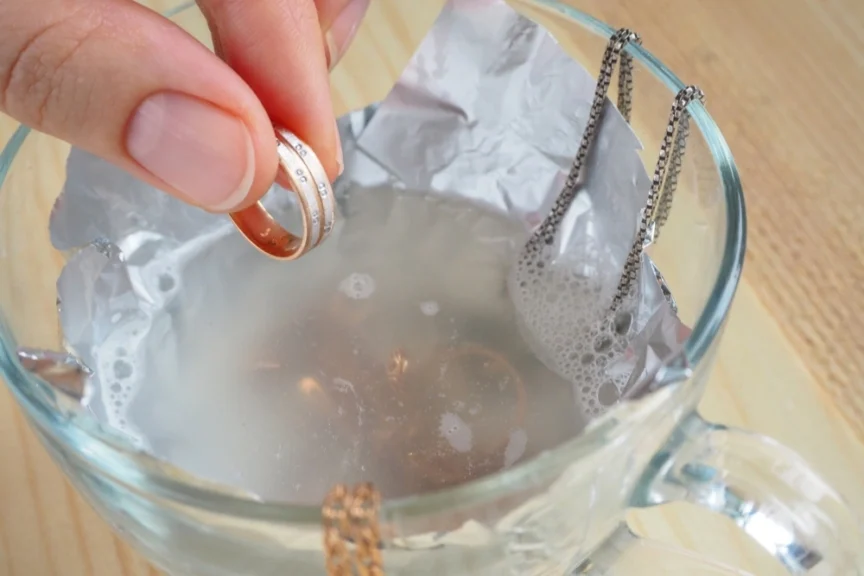
At-Home Gold Chain Cleaning
This method suits most solid gold chains. Regular cleaning every few weeks keeps the links bright and prevents buildup.
Supplies Needed/Essential Tools
– A bowl of lukewarm water
– Mild dish soap (pH-neutral, no perfumes or chlorine)
– A few drops of mild dish soap (avoid soaps with unknown ingredients or chlorine)
– A soft-bristled toothbrush (a baby toothbrush is ideal) or a soft paintbrush
– A soft, lint-free cloth (microfiber or cotton)
– A second bowl of clean, lukewarm water for rinsing
Step-by-Step Instructions
These steps give a clear, safe, and precise method for cleaning most gold chains at home.
Step 1: Prepare the solution: Fill a small bowl with lukewarm water and add a few drops of mild, pH-neutral dish soap. Mix gently to form a light solution. Warm water softens dirt and oils, while mild soap lifts residue without harming the gold.
Step 2: Soak the chain: Place the gold chain in the bowl and ensure full coverage. Let it soak for 15–20 minutes to loosen dirt within the links and lift oils that cause dullness. This prepares the surface for gentle brushing.
Step 3: Scrub the chain: Remove the chain and use a soft-bristled toothbrush to scrub along the links. Focus on the small gaps and clasp area where dirt settles. Use light pressure to prevent surface scratches and preserve the finish.
Step 4: Rinse thoroughly: Rinse the chain under clean, lukewarm running water or in a bowl of fresh water. Remove all soap residue to prevent dulling. Hold the chain securely or use a fine strainer to avoid dropping it down the drain.
Step 5: Dry the Chain Completely: Pat the chain dry with a microfiber or lint-free cloth. Lay it flat on a clean towel until fully dry. Complete drying prevents moisture buildup inside the links and stops the clasp from stiffening.
Step 6: Polish Gently for Added Shine (Optional): Use a gold polishing cloth to brighten the surface after cleaning. This removes fingerprints and smooths the finish. Use light pressure only to avoid unnecessary wear.
Step 7: Store Properly to Maintain Cleanliness: Place the dry chain in a soft-lined jewellery box, a fabric pouch, or a hanging organiser. Keep it separate from other metals. Avoid humid areas and avoid exposure to dust, sweat, or bathroom moisture.
Specialised Home Treatments (Stubborn Grime):
Baking soda paste and diluted ammonia solution provide a stronger cleaning action for solid gold only. These methods suit stubborn grime and heavier tarnish.
- Baking soda paste: Create a mild paste with baking soda and water. Apply a small amount to the chain using a soft cloth or toothbrush. Rub gently, rinse well, and dry. Use this method sparingly due to its mild abrasive effect. Avoid this method for gold-plated pieces or soft high-karat gold.
- Ammonia Solution (Use with Extreme Caution): Dilute one part ammonia with six parts lukewarm water. Soak the chain for a maximum of one minute. Rinse thoroughly and dry. Use this only on solid gold without any gemstones. This method stays unsuitable for pearls, opals, emeralds, antique chains, or plated jewellery.
Professional Methods (Optimal Results):
Professional jewellers deliver the highest cleaning precision through advanced tools and controlled methods.
- Professional Ultrasonic Cleaners: Jewellers use high-frequency sound waves to generate microscopic bubbles that dislodge dirt from tight spaces. This method reaches areas a brush cannot access.
- Professional Polishing: High-speed buffing wheels with specialised compounds remove micro-scratches and restore a bright, mirror-like surface.
- Rhodium Plating: White gold chains regain a bright, reflective surface through rhodium plating, which renews the appearance and protects the metal.
- Drying and Buffing: Jewellers dry the chain on a soft cloth and perform a final buff to restore its natural shine.
Cleaning Don’ts for Your Gold Chain
Harsh chemicals, abrasive tools, extreme heat, and long soaking times damage gold. Gold needs gentle and controlled care to maintain structural integrity.
- Don’t use harsh chemicals: Avoid bleach, chlorine, acetone, strong ammonia, or cleaners with abrasive particles. These cause discolouration, surface damage, and alloy breakdown.
- Don’t use abrasive materials: Avoid toothpaste, scouring pads, or stiff brushes. These scratch the surface and dull the finish.
- Don’t use hot or boiling water: Boiling water or sudden temperature changes may harm the metal and damage gemstones. Lukewarm water provides a safe temperature.
- Don’t use paper towels or rough cloths: Paper fibres create micro-scratches. Use only soft, lint-free cloths.
- Don’t use an ultrasonic cleaner on all gold: Avoid ultrasonic cleaning for gold-plated, antique, or gemstone chains. The vibration may loosen stones or strip plating.
- Don’t soak certain pieces: Avoid soaking chains with pearls, opals, or other porous stones. Wipe the metal parts only.
- Don’t perform DIY repairs: Home repair attempts may worsen breaks or misalign links. Professional repair preserves structure and fit.
- Don’t clean all gold the same way: Gold-plated pieces need lighter care than solid gold. High-karat gold requires gentler handling due to softer metal content.
- Don’t expose your chain to beauty products: Apply lotions, perfumes, sprays, and creams before wearing the chain. These products leave residue and cause dullness.
How Should You Store Gold Chains for Long-Term Shine?
To store gold chains for long-term shine, place them in a cool, dry, dark space and keep each chain separate. Proper preparation before storage protects the metal from moisture, air, and surface damage. Simple control of these factors preserves the chain’s brightness for years.
Ideal Storage Environment
- Cool and Dry: Store gold chains in a cool, dry area that limits humidity exposure. High moisture triggers tarnish on alloys used in 9ct and 14ct gold. Bathrooms, kitchens, and basements show the highest humidity levels, so a bedroom cupboard or a safe in a climate-controlled room provides stable protection.
- Dark: Keep chains away from sunlight or strong artificial light to prevent dulling. UV exposure shifts surface temperature and reduces the brilliance of gold and any attached stones. Place the container in a fully dark location.
- Stable Temperature: Protect chains from heat sources or cold drafts to maintain metal structure. Avoid storage near windows, radiators, or vents to prevent temperature shifts.
- Low Air Exposure: Place chains in airtight bags or anti-tarnish pouches to limit contact with oxygen and pollutants. Low air exposure slows oxidation. Use polyethylene zip-seal bags and squeeze out excess air before closing. Anti-tarnish fabric pouches neutralise harmful gases.
Storage Methods
- Use Individual Storage: Place each chain in its own pouch or divided section of a jewellery box. Individual storage prevents scratching and tangling. Gold metal softness makes separation essential.
- Soft Linings: Use storage lined with microfiber, velvet, or felt to cushion the chain. Soft fabric prevents abrasion during movement.
- Hang Chains Vertically: Use necklace hooks or stands to keep chains straight and separate. Vertical hanging prevents knots and allows quick access.
- Lay Flat: Place delicate chains flat in a drawer organiser with proper dividers to keep each chain apart. Threading a chain through a straw helps maintain a straight line during storage.
- Use Airtight Containers: Place chains in airtight containers or polyethylene bags to limit air and moisture contact. Removing excess air slows the dulling of alloyed gold.
- Store in a Cool, Dry Place: Keep jewellery boxes in a location free from sunlight, humidity, or heat. A cupboard or drawer in a temperature-stable room meets this requirement.
- Avoid Storing With Other Metals: Separate gold from silver or costume jewellery. Tarnish particles transfer between metals and reduce the shine of gold chains.
- Clean Before Storing: Wipe each chain with a soft cloth to remove skin oils and residue before placing it into storage.
Following these storage steps preserves the shine of gold chains for years. Annual checks by a professional jeweller support long-term condition and secure clasp performance.
When to Seek Professional Cleaning or Repair for Your Gold Chain?
Professional cleaning or repair becomes necessary when home care fails to restore shine, when damage appears, or when the chain contains delicate elements that need specialist handling. Deep dirt, weakened areas, or structural issues require expert tools and precision. A jeweller provides safe treatment, correct materials, and early detection of risks.
When to Seek Professional Cleaning
Professional cleaning is required when deeper issues affect appearance or when the chain has features that demand controlled treatment.
- Stubborn Dirt and Dullness: Persistent dirt or loss of shine after home cleaning signals embedded grime. Ultrasonic and steam systems in a workshop remove buildup that sits inside joints and small gaps.
- Intricate or Vintage Designs: Fine patterns or old chains often show fragile areas. Specialist handling protects each segment and prevents stress on thin or aged links.
- Discolouration or Tarnish: Visible dark spots or a flat surface indicate surface wear. Controlled polishing restores the finish without taking excess metal. White gold requires rhodium re-plating to regain a bright colour.
- Integrated Gemstones: Chains with stones such as opal, pearl, or emerald need gentle, material-safe methods. A jeweller applies the correct process for each stone to protect colour and structure.
- Annual Maintenance: Yearly checks and deep cleaning maintain long-term appearance. Regular inspections reveal early signs of wear before failure occurs.
- Persistent Dullness or Discolouration: A dull or patchy chain after thorough home cleaning indicates alloy reactions or trapped residue. Ultrasonic cleaning removes these issues.
- White Gold Re-plating: Rhodium layers fade through contact with skin and air. Re-plating restores the bright surface with a uniform tone.
- Intricate or Vintage Designs: Detailed or old pieces need specialist polishing that protects small joints and decorative parts. Controlled tools preserve shape and stability.
- Gemstones: Any chain with mounted stones requires professional care to avoid moisture damage, cracks, or heat stress during cleaning.
When to Seek Professional Repair
Structural weakness or visible damage requires immediate repair to prevent loss or severe breakage. DIY repair attempts increase risk and often worsen the issue.
- Broken or Malfunctioning Clasps: A clasp that fails to close, bends, or sticks raises the chance of losing the chain. A jeweller restores secure movement or replaces the clasp.
- Weakened, Bent, or Broken Links: Stretched or cracked links reduce strength. Soldering or replacement restores structural stability.
- Snags or Rough Edges: Catching on hair or clothing signals a raised or distorted link. Quick repair prevents full breakage.
- Kinks or Bad Knots: Tight knots or kinks in fine chains strain links. Controlled tools loosen the area without snapping the metal.
- Loose or Missing Stones: Movement or tilt in a stone shows a weak setting. Securing or re-tipping the claws protects the stone from falling out.
- DIY Attempt Fails: Failed home repairs or cleaning attempts indicate deeper problems. Abrasive products or strong chemicals cause permanent surface damage.
- Broken Clasps or Links: A non-closing clasp or cracked link creates immediate risk. Soldering and replacement restore full function.
- Weakened or Bent Areas: Thin or stretched areas signal metal fatigue. Early repair stops a full break.
- Loose Gemstones: Any movement in a mounted stone requires urgent tightening to avoid loss.
- Deep Scratches or Structural Damage: Large dents or multiple cracks weaken the chain. Full assessment ensures safe restoration and long-term wear.
Last Thoughts
Gold chains stay bright, strong, and beautiful for years when cared for with simple, consistent habits. Understanding your chain’s purity, link style, and any delicate materials ensures you choose the safest cleaning method. Regular gentle cleaning, proper storage, and avoiding harsh chemicals protect both shine and structure.
Checking for wear, rotating chains, and removing them before high-impact activities all reduce long-term damage. When deeper dirt, dullness, or structural weakness appears, professional servicing gives the safest and most effective results. With the right approach, every gold chain maintains its brilliance, durability, and timeless appeal.
Frequently Asked Questions (FAQs)
Q: What's the best way to clean gold chains?
A: The best way to clean a gold chain is with a gentle solution of warm water and mild soap, such as dish soap or baby shampoo. Use a soft-bristled brush to clean between the links, then pat dry with a lint-free cloth. This method safely removes dirt and oils without scratching the gold.
Q: Can you clean gold with Fairy liquid?
A: Yes, you can clean gold with Fairy liquid. Use a few drops diluted in lukewarm water, gently scrub with a soft brush, and rinse thoroughly. Always dry with a soft, lint-free cloth to maintain shine.
Q: What should you not use to clean a gold chain?
A: Avoid harsh chemicals like bleach, chlorine, or strong ammonia, as well as abrasive materials such as toothpaste, scouring pads, or stiff brushes. Hot water, paper towels, and DIY repairs can also damage the gold or delicate stones.
Q: How do I make my gold chain shiny again?
A: To make a gold chain shiny again, clean it gently with warm soapy water, rinse thoroughly, and dry with a soft cloth. For added brightness, a gold polishing cloth can be used carefully. Professional polishing or rhodium plating is recommended for stubborn dullness or white gold chains.
Q: Does vinegar damage a gold chain?
A: Yes, vinegar can damage a gold chain. Its acidity may weaken the metal, erode plating, or harm delicate stones. Stick to mild, pH-neutral soaps for safe cleaning at home.